Plan next year's ad budget from what you actually spent

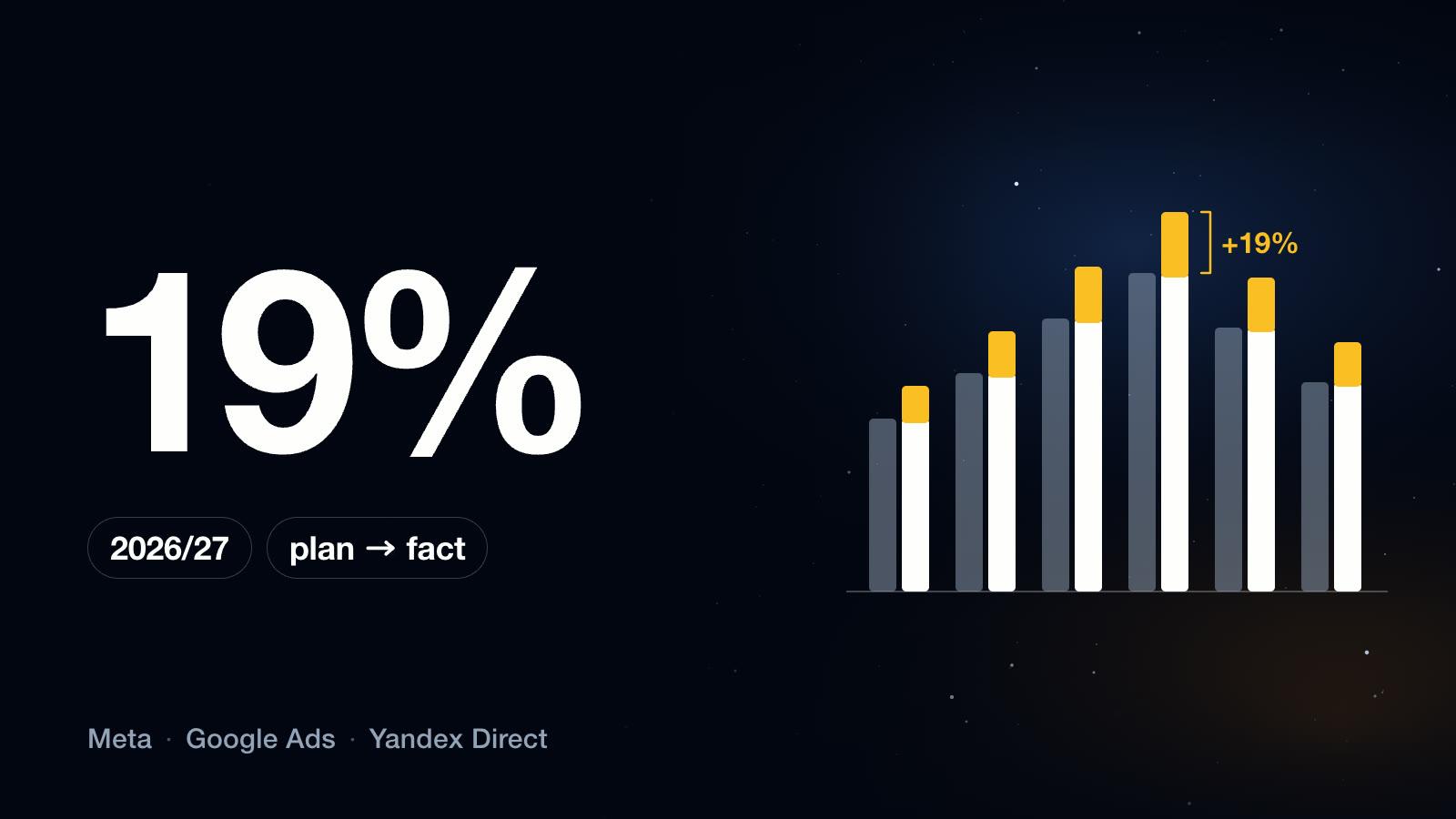
In short: when I built the 2026/27 budget plan for a client, the baseline everyone had been using understated real spend by 19%. A plan built on it would have been short before the year even began. The fix is simple to describe: plan from actuals, not from last year's plan.
How a baseline drifts
Nobody sets out to plan on wrong numbers. The baseline drifts because the plan and the spend are recorded in different places, by different people, in different ways. Typical reasons:
- taxes, commissions or agency fees are in the invoices but not in the plan;
- the plan is in one currency and the platforms charge in another;
- extra budget was approved mid-year and never written back into the plan;
- a channel was added after the plan was signed off;
- last month's charges land in this month's report.
Each one is small. Together they add up — and next year's plan inherits the total.
Build it from actuals
- Start from billing, not from the planning sheet. Take what each ad platform actually charged, by month and by channel.
- Reconcile with finance. The platform figures and the invoices should explain each other, tax included. The difference between them is the gap you are looking for.
- Lay spend out by season, not by calendar. Demand is not flat. Put the money where enquiries happen.
- Tie the budget to outcomes. Work backwards: how many deals are needed, how many qualified leads that takes, what one costs. The budget is the answer to that sum, not last year's figure plus a percentage.
- Add a price scenario. Auctions get more expensive. In one account the cost of impressions rose 61% between two seasons — a plan with no room for that is a plan to miss the target.
- Track plan against fact every month. An automated report that shows the two side by side stops the next drift before it compounds.
What changes
A plan built this way is easier to defend. Every line traces back to an invoice and forward to an expected number of leads and deals. When someone asks why the budget is higher than last year's plan, the answer is that last year's plan was never what was actually spent.
The takeaway
Before arguing about how much to add or cut, check what the baseline really was. If nobody can show where the number came from, rebuild it from actuals first.
Read next
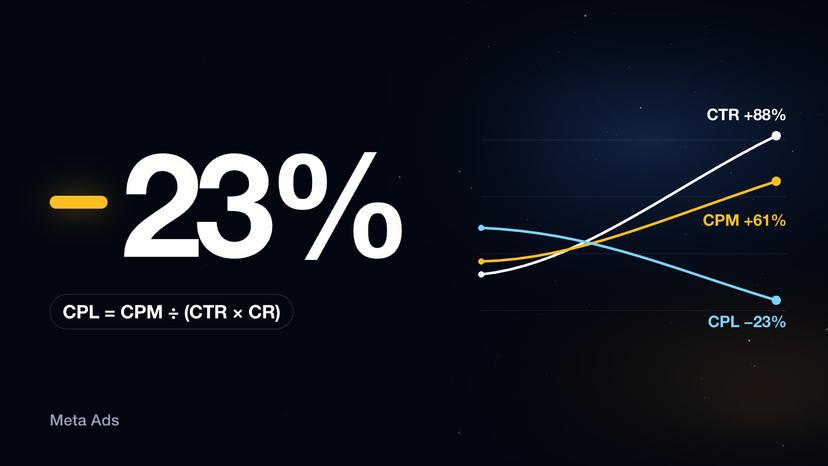
Cost per lead down 23% while the auction got 61% pricier
Taking apart a cost-per-lead drop for a British university in Kazakhstan: what the auction took away, and what click-through and conversion gave back.

From ad clicks to signed deals: rebuilding marketing attribution
How fixing ad-to-CRM tracking cut a residential developer's cost per result by 69% on an 18% smaller budget.